Dana Point Isn’t Newport Beach, Despite $600M Harbor Project
Read Article
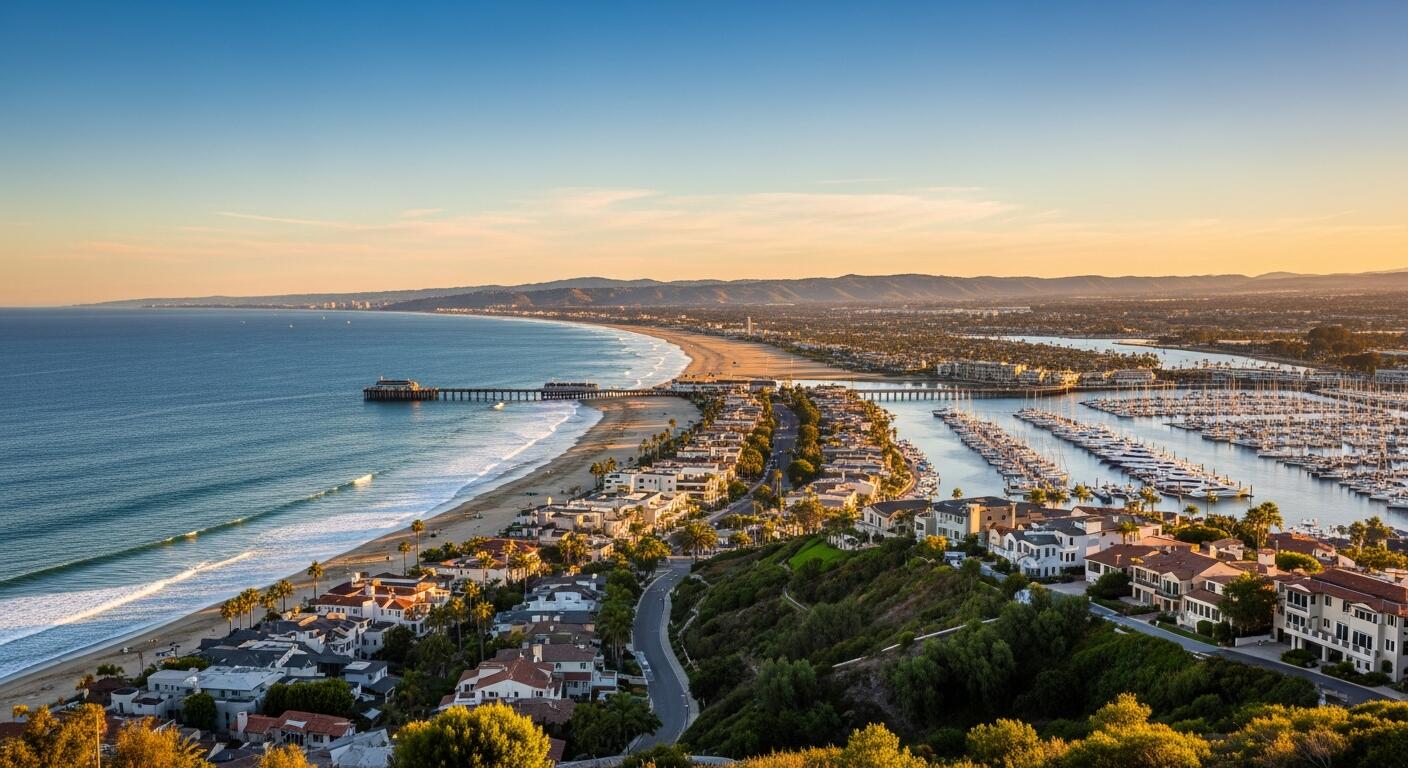
Southern California’s coastal markets are often discussed as if they move in lockstep. They do not. Nowhere is this more evident than Newport Harbor and Dana Point Harbor.
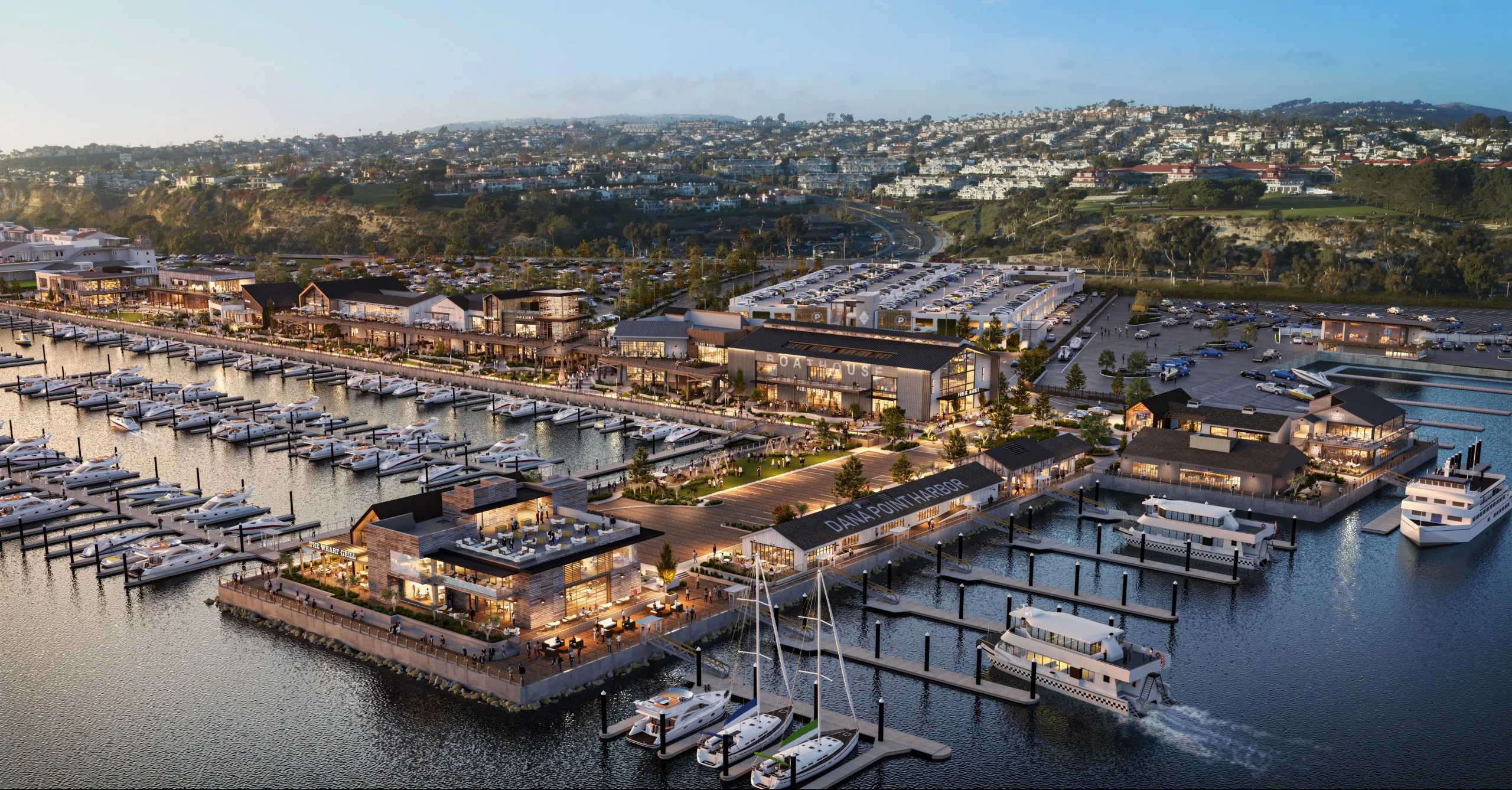
As Dana Point advances through its multi-year, $600+ million county-led harbor redevelopment, comparisons to Newport Beach are inevitable.
The question for homeowners, buyers, and builders is not whether the project will change Dana Point. It will.
The more relevant question is how far those changes actually extend into luxury residential construction.
What the Redevelopment Changes
The Dana Point Harbor revitalization is real infrastructure. New marina systems, expanded slips, structured parking, hotels, and a rebuilt commercial core will materially alter how the harbor functions.
For residential real estate, this creates three shifts:
1) The buyer pool expands. The harbor transformation brings Dana Point into consideration for buyers previously focused on Newport Beach or Corona del Mar.
2) Expectations rise. As public spaces improve, tolerance for mediocre execution drops. Harbor proximity will no longer excuse under-designed or under-built homes.
3) Scrutiny increases. With more visitors and substantial public investment nearby, construction quality becomes more visible.
What It Doesn't Change
Dana Point's harbor redevelopment is often framed as a bid to become "the next Newport Beach." That framing misunderstands how each harbor functions and what drives residential value in each location.
Newport Harbor is a mature, privatized system where waterfront parcels, private docks, and yacht clubs turn architecture into a competitive signal.
Dana Point Harbor is a public asset. There are no private slips and no deeded maritime rights. Boater access is licensed and independent of nearby residential property.
The harbor redevelopment will expand the buyer pool and raise expectations in Dana Point without forcing the same architectural escalation seen in Newport Harbor or parts of Corona del Mar.
That explains why Dana Point can undergo a near-wholesale reset of docks, utilities, parking, hotels, and commercial space while producing a more restrained residential response.
Construction Reality Still Governs
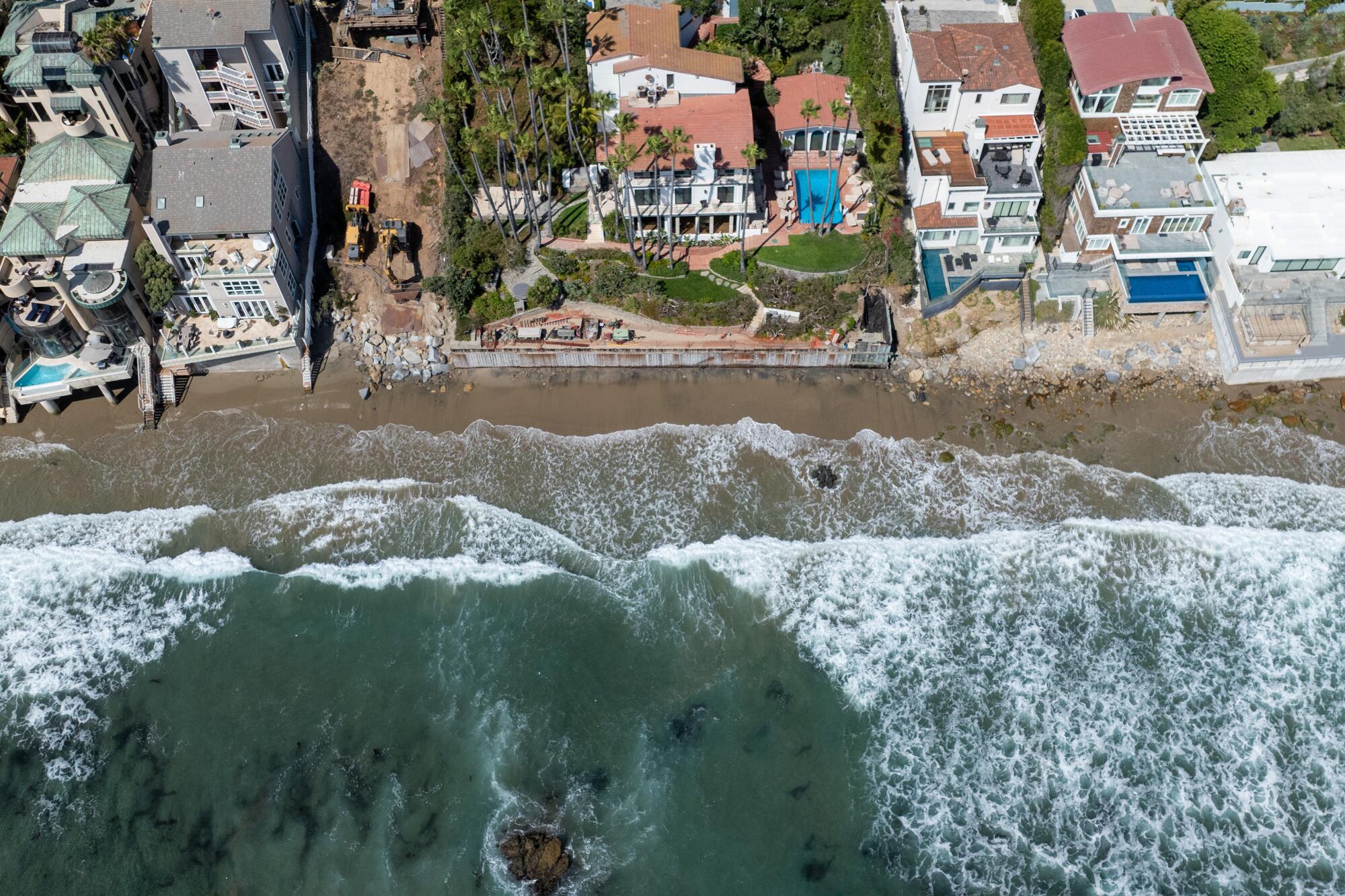
From a construction standpoint, Dana Point remains a topographically driven market. Slopes, soils, bluff conditions, and access constraints continue to define cost and risk.
As public infrastructure improves, buyers paying a premium for proximity expect homes that perform at a higher level.
The harbor will raise baseline expectations for detailing, materials, and performance. It will not produce a sudden wave of statement architecture comparable to Balboa Peninsula's private-dock corridors.
In practical terms, this means fewer architectural arms races and more emphasis on proportion, restraint, and build quality.
The result is not less luxury, but a different expression of it.
Dana Point’s highest-end residential work has historically concentrated in gated or master-planned communities (i.e. the Strand at Headlands) rather than harbor-front parcels.
Homes trade on view control, privacy, and execution quality, not spectacle. In practical terms, this favors restraint.
For homeowners, investors, and builders, understanding that distinction matters more than headlines. The market expansion is real, but the architectural response will be different than Newport Beach.
The opportunity lies in building appropriately, not imitatively.
Details
Date
Category
Current Events
Reading Time
6 min